
Best Car Cover Materials for Hot and sunny Weather
Car Cover Materials

Description: Car Cover Materials Looking for the best car cover for summer? Discover the top materials that protect your car from UV rays, heat damage, and fading in hot and sunny climates. Car Cover Materials
Which Car Cover Material is Best for Hot and Sunny Climates?
Car Cover Materials
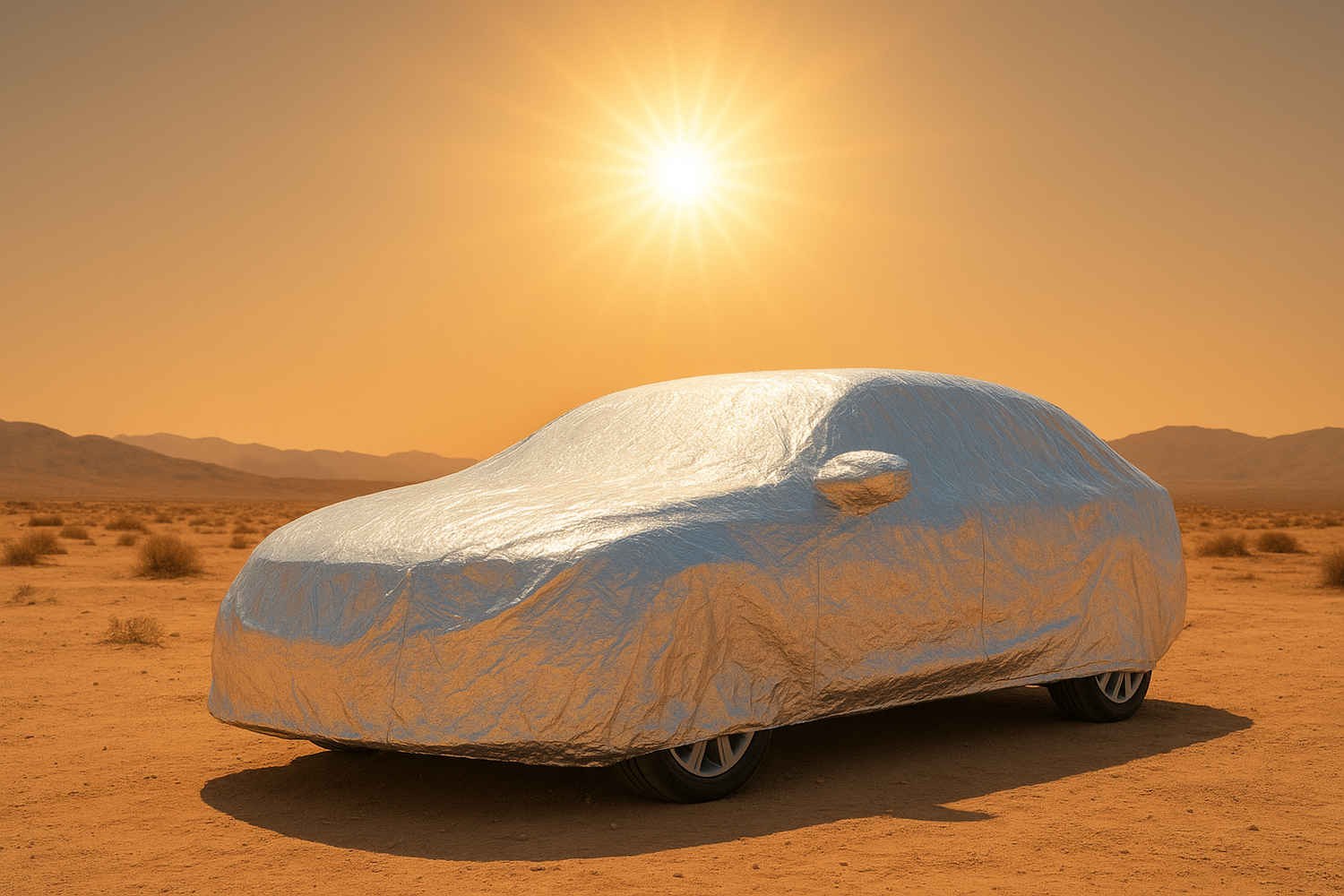
If you live in a region with scorching summers, your car is exposed to extreme heat, intense sunlight, and harsh UV rays. This combination can wreak havoc on your vehicle’s exterior and interior, causing faded paint, cracked dashboards, discolored upholstery, and even damage to rubber and plastic components. While a car cover is a simple solution, not all materials are suitable for hot climates. Choosing the right car cover material ensures your vehicle stays cool, protected, and maintains its aesthetic appeal throughout the year.
Why Sun Protection Matters for Your Car
Car Cover Materials
The sun may feel harmless, but its ultraviolet (UV) rays and intense heat can cause serious long-term damage to your car. Here are the main risks associated with direct sun exposure: Car Cover Materials
-
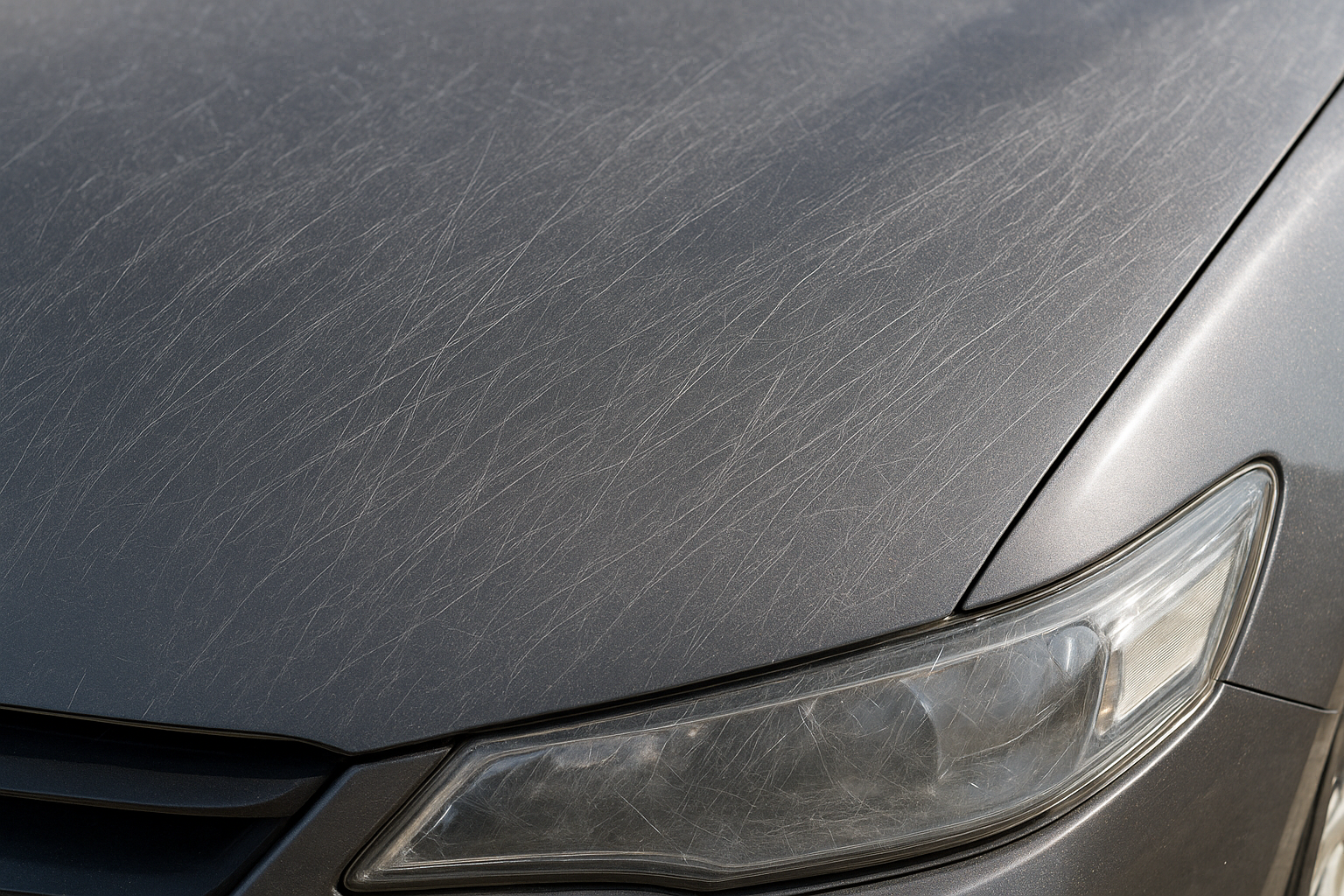
Paint Fading: UV rays gradually break down the chemical bonds in automotive paint, leading to dullness and permanent fading. Over time, the original shine of your car may disappear, reducing its resale value. Car Cover Materials
-
Interior Cracking and Discoloration: Heat and sunlight can dry out leather seats, vinyl, and dashboards, causing cracks, warping, or fading. Regular exposure without protection accelerates this process. Car Cover Materials
-
Overheating Inside the Cabin: Cars parked under direct sunlight can become unbearably hot inside. This not only makes it uncomfortable to drive but can also damage sensitive electronics or warp plastic trims. Car Cover Materials
-
Damage to Rubber Seals and Plastic Trims: Rubber seals around doors and windows can become brittle, and plastic trims may discolor or warp due to prolonged heat exposure. Car Cover Materials
Proper sun protection is essential to prevent these issues, and choosing the right car cover material is a critical part of this protection strategy. Car Cover Materials
Best Car Cover Materials Sunny Weather
Car Cover Materials
1. Reflective Polyester with UV Coating
· Reflects UV rays, keeps car cooler, lightweight
2. DuPont Tyvek Fabric
· Breathable, water-resistant, long-lasting
3. Multi-Layer Breathable Fabrics
· Outer reflective layer, inner soft lining, breathable middle layer
4. Silver-Coated Fabrics
· Deflects heat, durable, tear-resistant
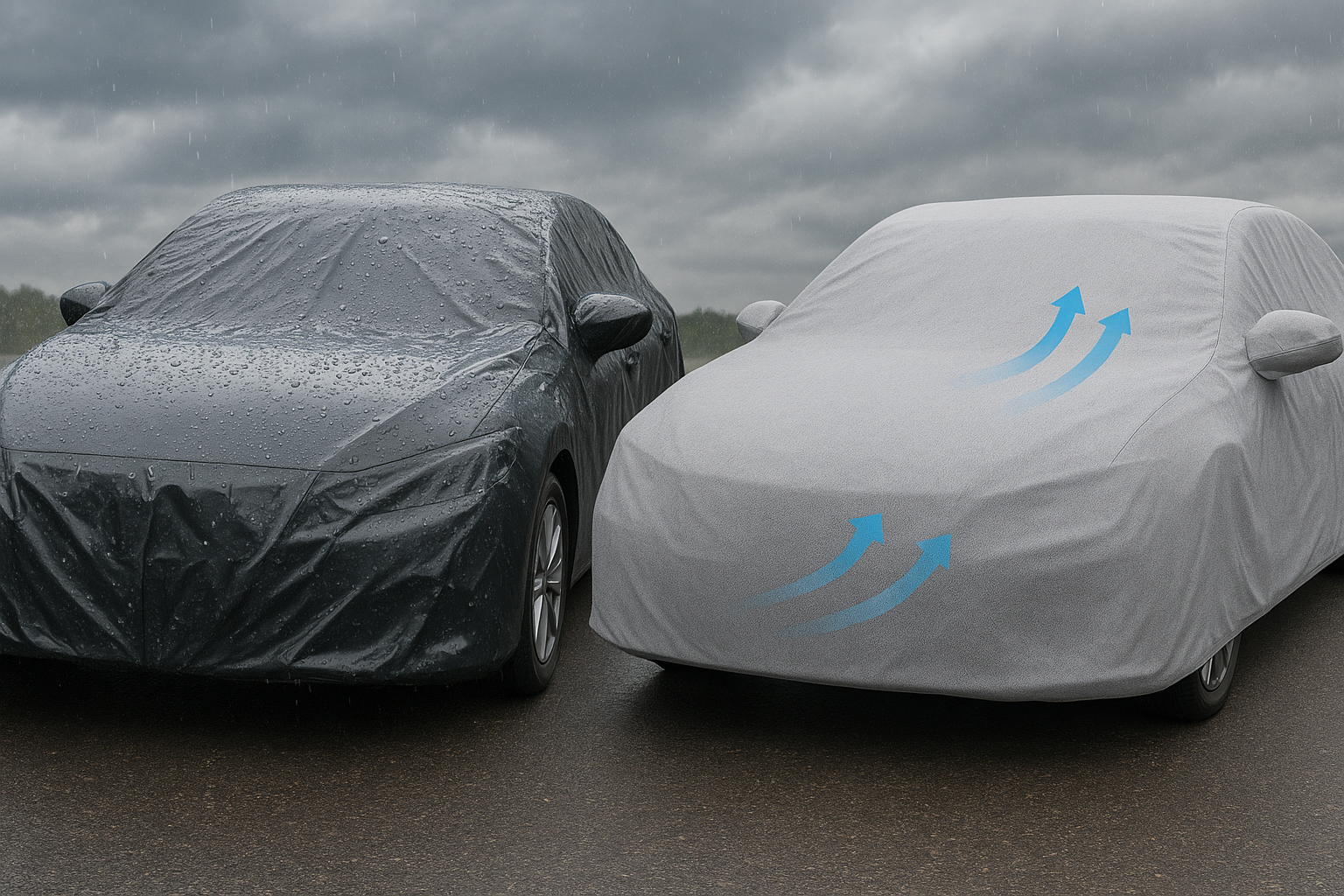
Tip: Avoid dark-colored or plastic covers—they absorb heat.
What to Avoid in Hot Climates
Car Cover Materials
· Fully waterproof plastic covers → trap heat
· Dark-colored covers → absorb more heat
Our Recommendation
Car Cover Materials
For hot and sunny weather, the best car cover materials are:
-
Reflective, UV-Coated Polyester: Offers excellent sun protection, lightweight handling, and budget-friendly durability.
-
DuPont Tyvek: Provides superior UV resistance, breathability, and paint-safe coverage.
-
Multi-Layer Breathable Fabrics with Soft Inner Lining: Ideal for daily outdoor use and maximum protection from heat, dust, and environmental wear.
Investing in these types of covers ensures that your car’s paint, interior, and overall condition remain protected even under the harshest summer conditions.
Q1: Can a car cover reduce the cabin temperature?
A1: Yes. Reflective and multi-layer covers can significantly lower cabin heat, making your car more comfortable to enter and protecting internal components from heat damage.
Q2: Will a silver-coated cover damage the paint?
A2: No. Premium silver-coated covers come with a soft inner lining that prevents direct abrasion on the car’s surface while reflecting sunlight efficiently.
Q3: Is Tyvek better than polyester in hot weather?
A3: Tyvek offers superior UV protection and is more breathable, making it better for long-term outdoor exposure. Polyester is more cost-effective and works well for daily or temporary use.
Q4: Can I leave my car cover on all day in summer?
A4: Yes, but ensure it is made of breathable, UV-protective materials. Avoid non-breathable plastics that trap heat.
Q5: How often should I clean my car cover in hot weather?
A5: Covers should be cleaned regularly to remove dust, pollen, and debris. Monthly cleaning is recommended for daily outdoor parking in sunny regions.

Leave a comment
This site is protected by hCaptcha and the hCaptcha Privacy Policy and Terms of Service apply.