
300D vs. 600D Oxford Fabric: What’s the Real Difference?
Oxford fabric has become a trusted material for bags, outdoor covers, luggage, and gear that needs strength and weather protection. Two of the most popular options are 300D Oxford fabric and 600D Oxford fabric. Although they share a similar weave style and coating options, they differ in durability, thickness, weight, and ideal uses.
This detailed guide explores what sets these fabrics apart, so you can choose the right one for your needs.
Understanding the “D” in Oxford Fabric
The “D” refers to denier, a measurement of fiber thickness used in textiles. A higher denier number means thicker yarns and, usually, a stronger and heavier fabric.
-
300D Oxford uses finer threads, resulting in a lighter fabric.
-
600D Oxford uses thicker threads, creating a heavier and more durable material.
The denier rating doesn’t measure overall quality alone — coatings, weave tightness, and fiber type also matter. However, it’s a good starting point for comparing strength and weight.
300D Oxford Fabric Overview
300D Oxford fabric is a lightweight, versatile material often made from polyester or nylon. It usually comes with a polyurethane (PU) or polyvinyl chloride (PVC) coating for water resistance.
Key Features:
-
Lightweight and flexible construction
-
Smooth texture for easy folding and storage
-
Good water resistance with proper coating
-
Moderate abrasion resistance for everyday use
Advantages:
-
Easy to carry and handle
-
More compact for storage
-
Lower cost than heavier Oxford fabrics
-
Works well for applications needing flexibility
Limitations:
-
Less resistant to heavy abrasion or punctures
-
Shorter lifespan in extreme outdoor conditions
-
May stretch slightly under high tension
Common Applications:
-
School bags and backpacks
-
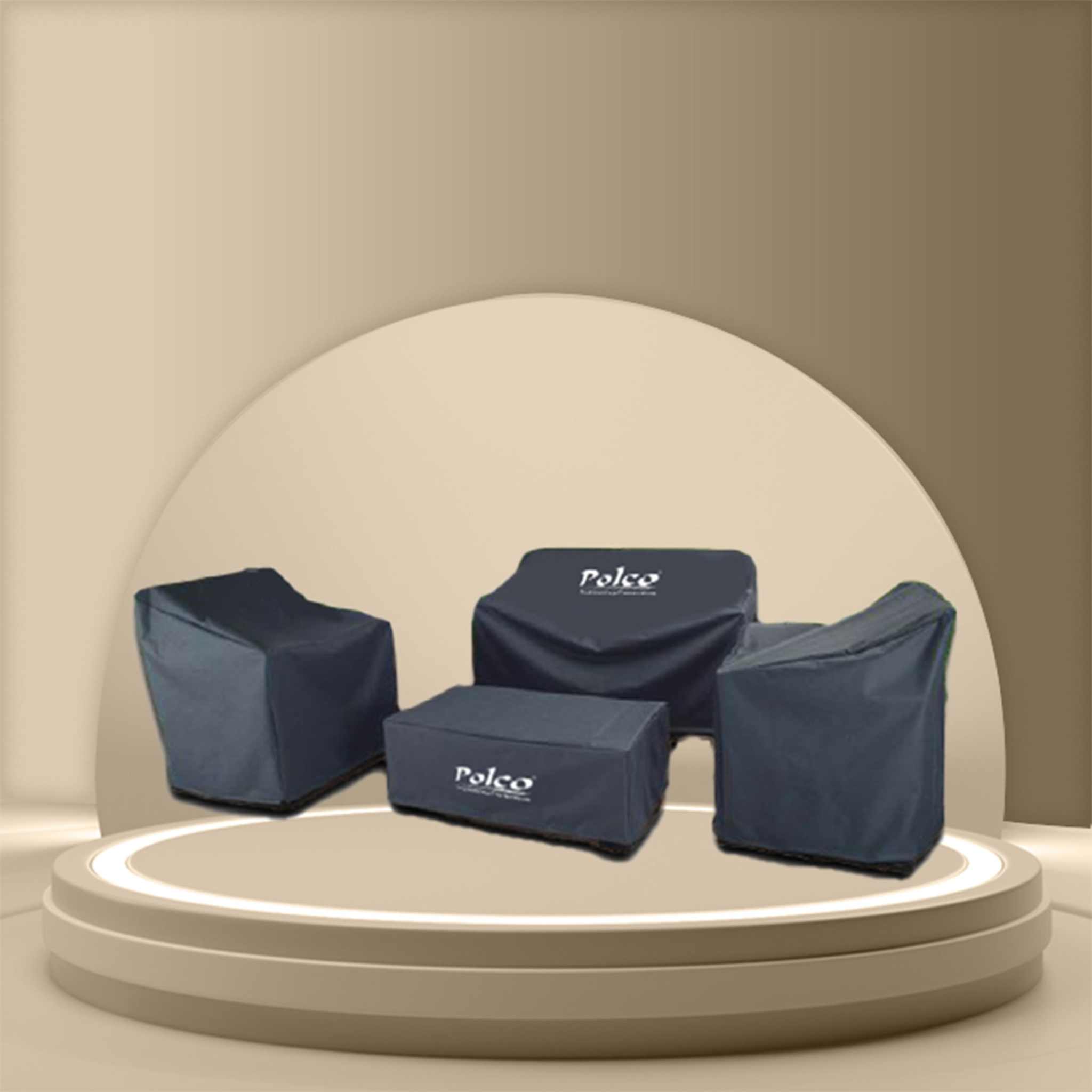
Light-duty furniture covers
-
Travel organizers and storage bags
-
Promotional tote bags
300D Oxford is ideal for users who prioritize portability, flexibility, and cost-efficiency over extreme durability.
600D Oxford Fabric Overview
600D Oxford fabric is a heavier, thicker, and stronger material made from polyester or nylon. Its weave is denser, and it usually has a PU or PVC coating to improve waterproofing and resistance to wear.
Key Features:
-
Stronger yarns for improved durability
-
Excellent resistance to tearing and abrasion
-
Stiffer texture compared to lighter fabrics
-
Holds shape better in structured applications
Advantages:
-
Longer lifespan under frequent use
-
Superior protection against rough handling
-
Withstands heavier loads without stretching
-
Performs better in harsh outdoor environments
Limitations:
-
Heavier and bulkier to transport
-
Slightly higher price than lighter options
-
Less flexible for folding or packing in small spaces
Common Applications:
-
Camping tents and heavy-duty tarps
-
Luggage and protective travel cases
-
Industrial work bags and tool pouches
-
All-weather outdoor furniture covers
600D Oxford is best for demanding applications where durability, structure, and weather protection are essential.
Weight and Strength Comparison
The weight of the fabric is one of the most noticeable differences.
-
300D Oxford: Lightweight, generally around 160–200 grams per square meter (GSM).
-
600D Oxford: Heavier, often in the range of 300–350 GSM.
This weight difference directly impacts strength. The thicker yarns in 600D fabric handle more tension, resist tearing, and provide greater load-bearing capacity. Meanwhile, the lighter 300D fabric offers ease of movement and portability.
Water Resistance and Coatings
Both fabrics can be coated with PU (Polyurethane) or PVC (Polyvinyl Chloride) for water resistance.
-
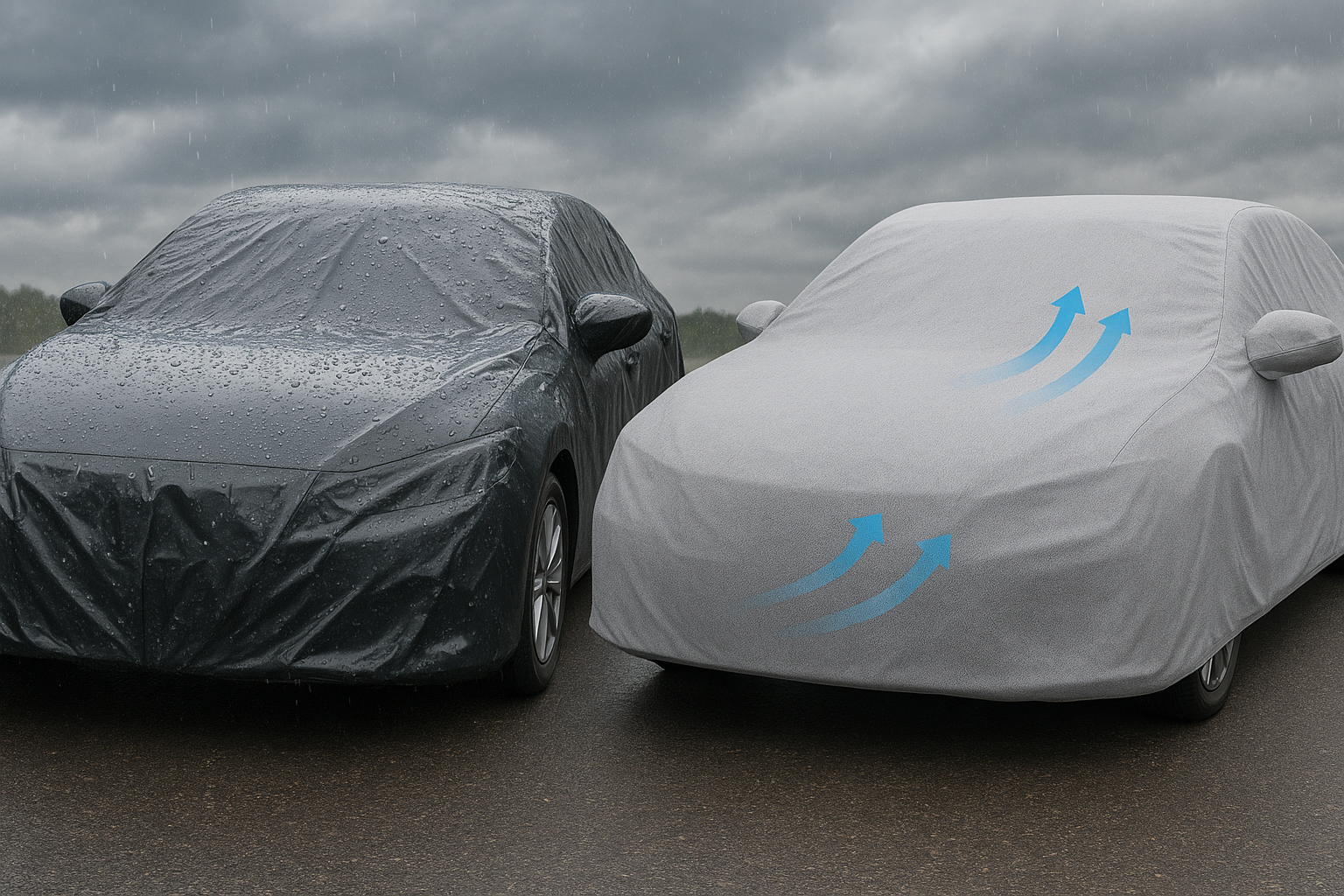
PU Coating: Lighter, more flexible, and maintains fabric breathability.
-
PVC Coating: More robust waterproofing but adds stiffness and weight.
600D Oxford tends to retain waterproofing longer due to its thickness and denser weave. 300D Oxford is still water-resistant but may require re-coating sooner, especially in wet climates.
Texture, Appearance, and Flexibility
-
300D Oxford: Softer, smoother texture; more pliable and easier to fold or roll.
-
600D Oxford: Coarser feel due to thicker threads; holds its shape better for structured items.
For aesthetics, both can be dyed in various colors and printed for branding or decorative purposes. However, 300D tends to drape better, while 600D maintains form and stiffness.
Abrasion and UV Resistance
When it comes to abrasion resistance, 600D Oxford performs significantly better. The thicker threads and tighter weave prevent fraying and resist surface wear. This makes it ideal for high-contact surfaces like luggage bottoms or camping gear.
For UV resistance, both fabrics can be treated with protective coatings. Without treatment, polyester Oxford fabrics generally resist UV degradation better than nylon, regardless of denier.
Cost Comparison
300D Oxford fabric is typically cheaper than 600D due to its lighter weight and less raw material use. The price difference can range from 15% to 30% depending on coatings and suppliers.
If the fabric will face heavy use, investing in 600D may save money in the long run due to fewer replacements. For casual, light-duty use, 300D is cost-effective.
Which Fabric Should You Choose?
Choose 300D Oxford if:
-
You need lightweight covers or bags
-
Portability and flexibility matter most
-
The fabric will face mild conditions
-
You have a tight budget
Choose 600D Oxford if:
-
Durability is a top priority
-
The item will face heavy loads or rough use
-
It will be used outdoors for long periods
-
Structure and stiffness are desired
Maintenance Tips for Both Fabrics
To extend the lifespan of either fabric:
-
Clean regularly with mild soap and lukewarm water
-
Avoid machine washing, which can damage coatings
-
Dry completely before storage to prevent mold
-
Reapply waterproofing spray as needed
-
Store in a cool, dry place away from direct sunlight
Learn More About Us:
Website: www.polcoindia.com
Facebook: https://www.facebook.com/PolcoCreationPvtLtd/
Instagram: https://www.instagram.com/polco_covers/
Linked In: https://www.linkedin.com/company/1040966/admin/dashboard/
Twitter: https://x.com/Polco_India

Leave a comment
This site is protected by hCaptcha and the hCaptcha Privacy Policy and Terms of Service apply.